APOP
Articles & News
News, research, commentary, and practical guidance on pet obesity, nutrition, and healthy weight.

PRESS RELEASE: The Farmer’s Dog Announces Charter Sponsorship of the Association for Pet Obesity Prevention
The Farmer’s Dog, the pet-food company delivering vet-developed, science-backed, human-grade fresh dog food, today announced its charter sponsorship of the Association for Pet Obesity Prevention (APOP). The Farmer’s Dog will support APOP’s important work improving pet longevity and quality of life by treating and preventing obesity.

Don’t Chase a Number on a Scale: Transcending Weight in Animal Obesity Research and Care
Body weight is a poor individual indicator of overall health and disease risk.
Obesity is a disease, not a social construct.
For decades, those two statements have caused confusion and controversy within the human and veterinary medical professions. Research into health outcomes has shown that excessive emphasis on body weight, particularly when applied to calculations of weight and height (Body Mass Index or BMI), can lead to potential misinterpretation of results and incomplete conclusions. Defining obesity in terms of volition and choice undermines the multitude of physiological causes for the disease.

Dr. Ernie Ward talks pet obesity and prevention with Steve Dale on WGN Radio
Founder and President of the Association for Pet Obesity Prevention, Dr. Ernie Ward, says the issue is far more complex than people merely offering too much table food. So, what exactly has been going on? And why with every passing year are there more and more obese dogs/cats? And it’s not only about weight, but also about body condition score. Clearly, our pets would live longer and healthier and even happier lives if they were not so many overweight/obese dogs/cats.

"Fat Cats and Greedy Dogs": Discussion of Animal Obesity on Social Media Varies by Species
If you scroll social media these days, you’ll likely run across a funny cat video. A seemingly endless pageant of feline videos has crowned internet celebrities, inspired international ad campaigns, and even earned their own award ceremonies. As you peruse your social media feeds, you’ll also see many dogs hiking trails, leaping for frisbees, and traveling with their humans. These doggie influencers amass huge online followings, and their posts garner thousands of comments. As you look closer, you’ll also see that how we portray and discuss dogs and cats varies widely.

2023 World Pet Obesity Awareness: Purina Veterinary Nutritionist Dr. Jason Gagné
The Association for Pet Obesity Prevention (APOP) and the World Pet Obesity Association (WPOA) announced World Pet Obesity Awareness Day on October 11, 2023. Up to 63% of pet cats and 59% of pet dogs are estimated to be overweight or have obesity in the U.S., Canada, and Europe. This week, we have a clinical nutrition expert to discuss a recent pet owner survey and how you can help your pet patients seeking to achieve a healthy body condition.
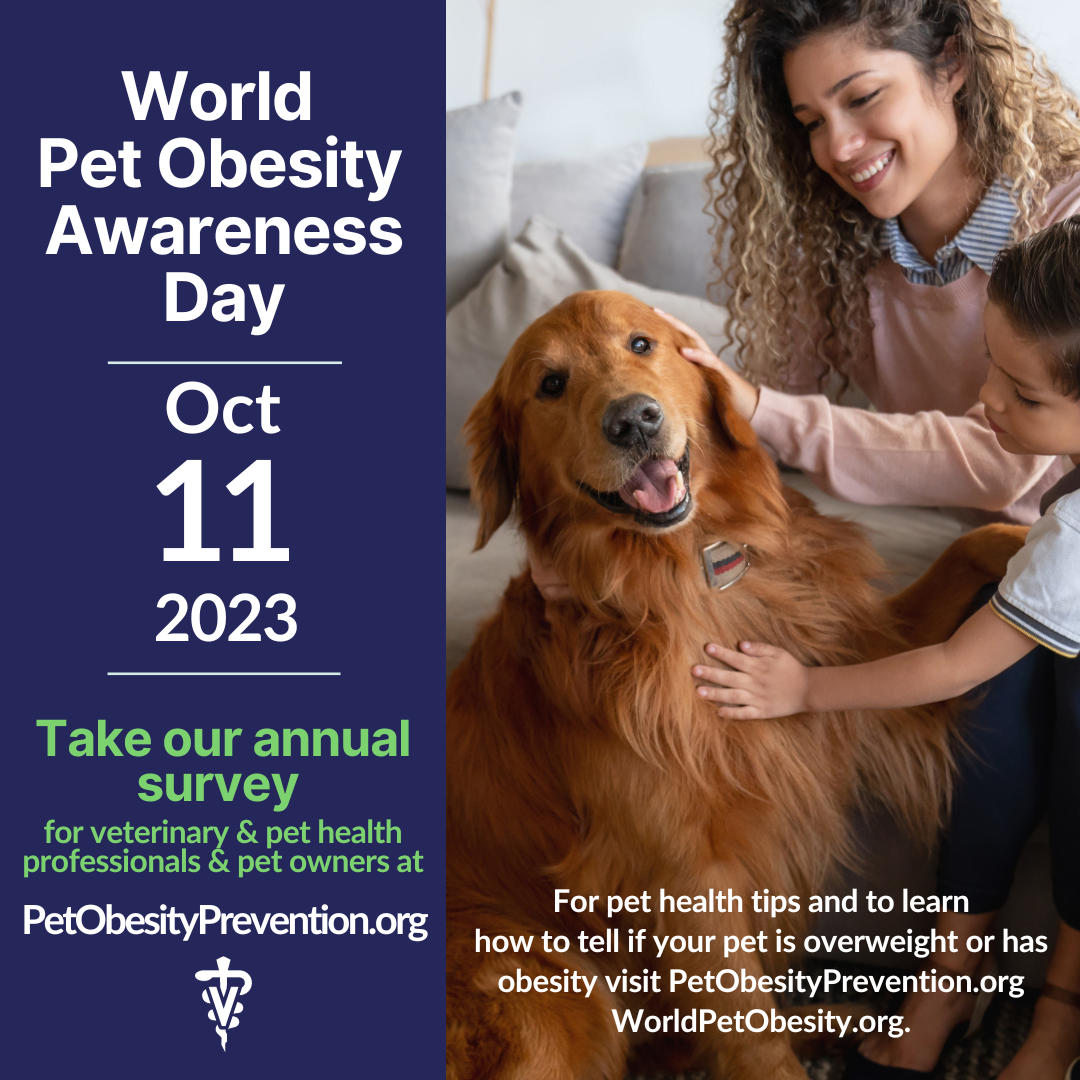
2023 World Pet Obesity Day Press Release
The Association for Pet Obesity Prevention (APOP) and the World Pet Obesity Association (WPOA) announced October 11, 2023, is World Pet Obesity Awareness Day. During October, APOP and WPOA encourage all veterinary professionals and pet owners to measure their pets’ health by performing a body condition score (BCS), weighing their pets, and calculating daily calories to feed. The groups also ask veterinary professionals and pet owners to visit petobesityprevention.org to participate in their annual survey.

Being Active With Your Dog
Dog parents simply want their dog to be happy. But what can we do to ensure we’re providing the best quality of life for our canine companions? Helping your pooch achieve a long, healthy, and happy life only requires your commitment, consistency, and creativity in providing a healthy diet, regular physical activity, and a nurturing environment. Here are a few tips to guide you on being active with your dog for a lifetime of good health.

2022 Survey Reveals Alarming Rates of Pet Obesity in the US
2022 Pet Obesity Survey Results

Fit or Fluffy? How to Tell if Your Cat is Overweight
According to the Association for Pet Obesity Prevention, approximately 60% of favorite feline family members are overweight or have obesity. Here are a few tips to tell if your cat is more than fluffy.

A Simple Strategy for Healthy Dog Weight-loss
In pursuit of a healthier, happier canine companion, a simple pet weight-loss strategy can make all the difference.

Health Risks of Excessive Weight in Dogs and Cats
Pets suffering from obesity are prone to a torrent of weight-related disorders. If your pet needs to shed a few pounds, consider these serious consequences of obesity as you’re looking for motivation.


Pet Obesity General Information Infographics
General pet obesity information and U.S. pet obesity survey results graphics. Set also includes previous pet obesity survey infographics, canine longevity study, AAHA Weight Management Guidelines, and consequences of pet obesity.

Walking the Dog: Tips for getting the most out of exercising your pooch
Veterinarians typically recommend walking as a key element of most canine weight loss regimens. Sounds simple enough, but is it really? I have found that few dogs will naturally walk at a pace that generates the elevated heart rates needed for sustained aerobic activity. Of course, make sure your portly friend can begin a weight loss exercise program by having her examined by your veterinarian before beginning any physical activity program. Follow these helpful tips to pace your pooch for optimal weight loss.

Better Pet Fitness in Four Steps
More pets are suffering from obesity. The latest data from the Association for Pet Obesity Prevention (APOP) reveals over half the nation’s dogs and cats are overweight or obese. With increasing weights come increased weight-related disorders, especially osteoarthritis and type 2 diabetes. It’s up to pet owners and veterinarians to reverse this trend and save our dogs and cats from suffering needlessly. While this task may be daunting and challenging to some, we can succeed. Here are a few tips on how you can help your pet in the quest to go from fat to fit in four steps.

The Secret Life of Pet and Human Obesity
There’s a secret life of pets we don’t often talk about. The secret begins with the fact that over half the nation’s dogs and cats are now classified as overweight or obese by their veterinary healthcare provider. Nearly 59% of cats and 54% of dogs equaling an estimated 50.5 million cats and 41.9 million dogs are at risk for weight-related disorders. In addition to confronting pet obesity and its associated maladies and complications, I’ve also been uncovering another secret of pet obesity: Inflammation. In fact, I’d go as far as to say inflammation is the new obesity and is the real secret we need to reveal to both pet parents and the public.

The 5 Biggest Questions You Must Ask About Pet Obesity: How to Check, What to Feed, and How to Exercise
This is an incredibly important issue because pets with obesity are at increased risk for developing serious weight related disorders such as diabetes, arthritis, high blood pressure, kidney disease, cancer, and more. We must do better.
To help you better care for your furry loved one, I’d like to share the top five questions you need to ask your veterinarian to keep your pet healthy. They’re simple, won’t embarrass you, and just may save a life.

7 Surprising Ways to help Your Pet Lose Weight (and Why It’s Important)
According to the latest veterinary surveys, over half our nation’s dogs and cats are overweight. This means almost 90 million pets are at risk for developing crippling arthritis, debilitating diabetes, catastrophic kidney and heart disease, high blood pressure and many forms of cancer. How can you slim down your super-sized pet, keep them fit and reduce their risk of developing many serious diseases? The answer may be easier than you think. Try these seven tips to trim excess pounds from your pet and keep them trim.

Pet-to-Human Weight Translator
Vets concerned about the growing pet obesity epidemic want people to know that a 12 pound Yorkie is the same as an average female weighing 218 pounds and a 14 pound cat is equivalent to a 237 pound man. The Association for Pet Obesity Prevention (APOP) has created an online pet weight translator and tables of the most common breeds that compare those extra pounds on our pets in terms of love handles we can all relate to.