Body Condition Guides
Choose your pet’s species for an illustrated body condition guide. Body Condition Score (BCS) uses touch and body shape to assess body fat; the landmarks and ideal range vary by species.
Choose your pet
Open the full species-specific guide.
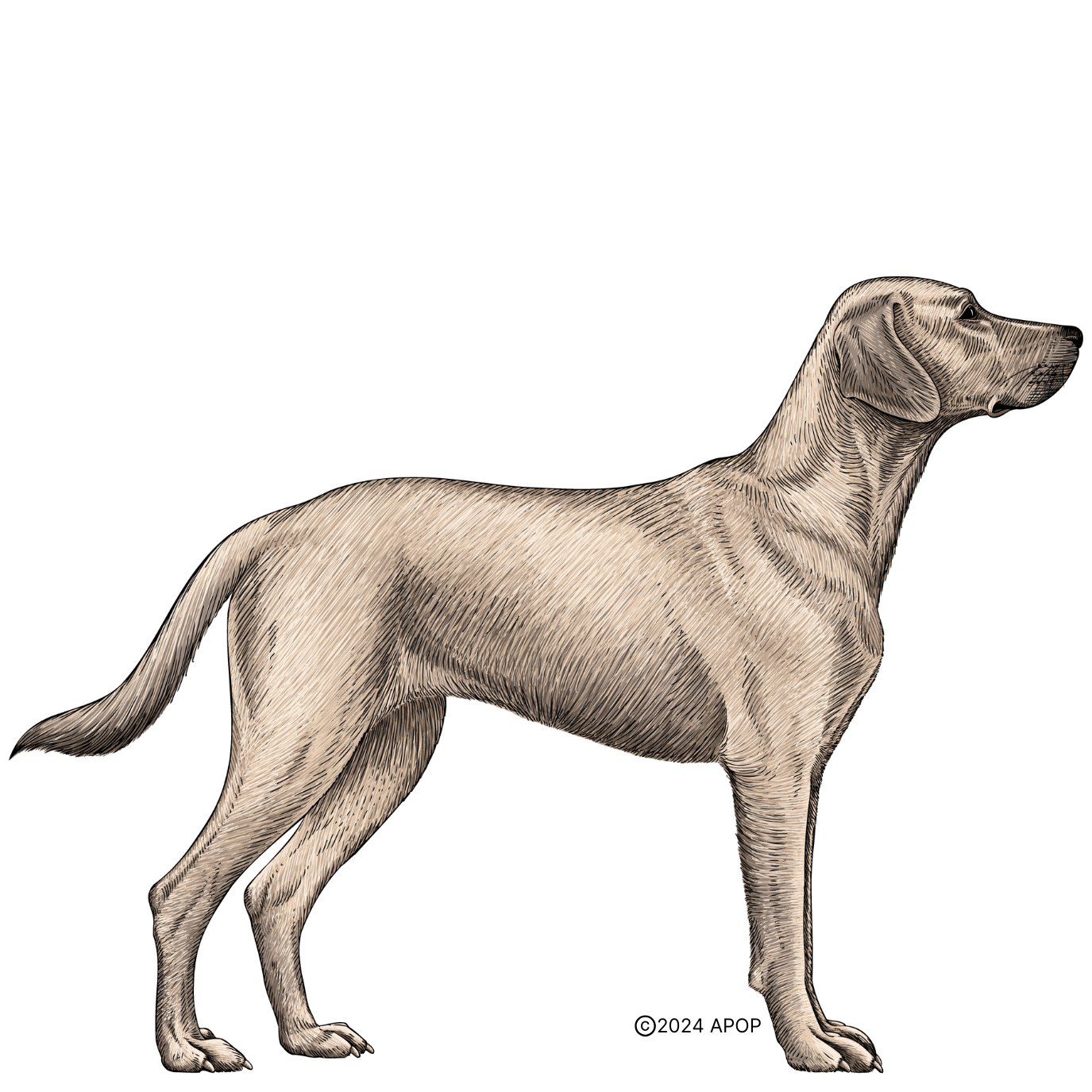 Dog
View dog BCS guide
Dog
View dog BCS guide
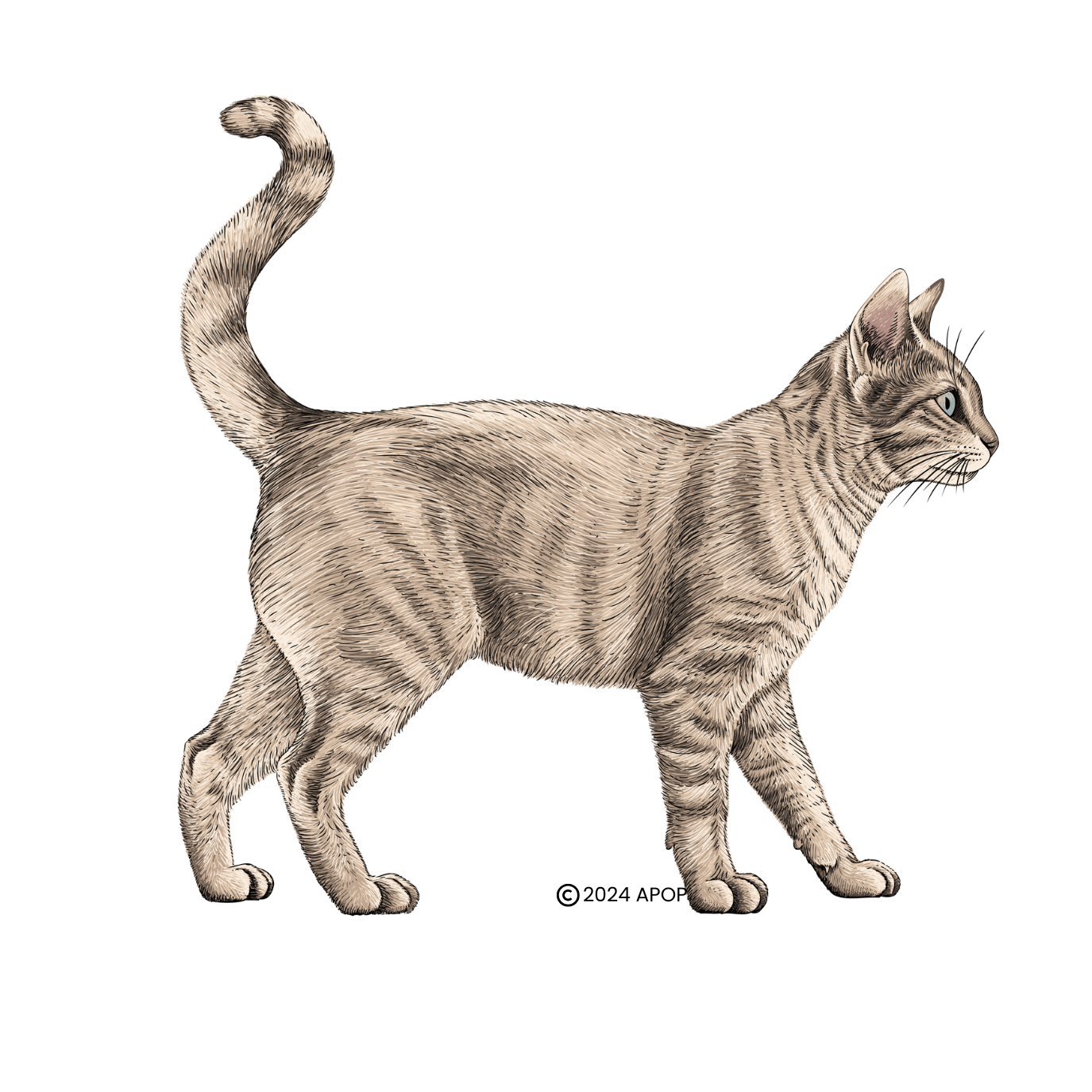 Cat
View cat BCS guide
Cat
View cat BCS guide
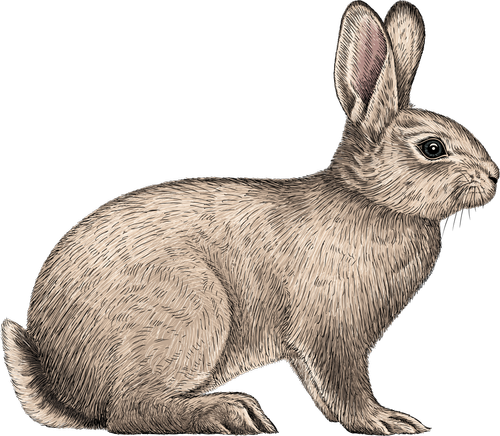 Rabbit
View rabbit BCS guide
Rabbit
View rabbit BCS guide
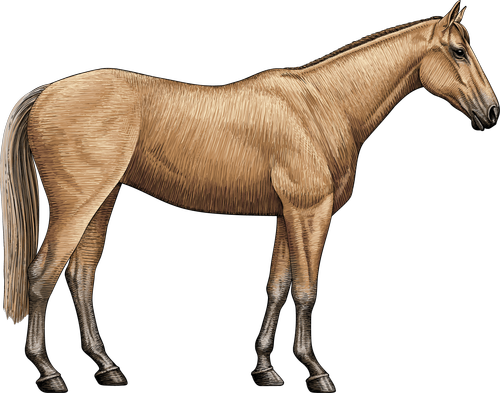 Horse
View horse BCS guide
Horse
View horse BCS guide
Not sure where to start?
Use APOP’s three-step quiz to look at the waist, feel the ribs, and check the tummy.
Three things to check
Body condition is assessed with several observations together. Breed, coat, and body shape can change how these landmarks look, so use the full guide for your species.
Feel the ribs
Use light pressure to assess the fat layer over the rib cage.
Look for a waist
From above, look for a waist behind the ribs.
Check the body profile
From the side, assess the abdominal profile and overall shape.
Body fat and muscle are assessed separately. Muscle condition can change independently of body condition.
Learn about Muscle Condition ScoreBody condition scoring, answered
What the score means, what a healthy score looks like for your species, and where the scale stops being useful.
What is a body condition score (BCS)?
A body condition score is a standardized way to estimate how much body fat an animal is carrying. It uses a 1 to 9 scale, assessed by feeling the ribs and by looking at the waist from above and the abdominal profile from the side.
BCS describes shape rather than weight, which is why it works across breeds and body sizes. Two dogs can weigh the same and score very differently. It is a screening measure, not a diagnosis.
What is a healthy body condition score?
The ideal band is not the same for every species.
- Dogs4 or 5, roughly 15 to 24 percent body fat
- Cats5 only. A cat at 4 is below ideal
- Horses4 or 5, breeding mares 5 to 6
- Rabbits4 or 5
In horses, a BCS of 4 is appropriate for performance horses and should not be read as underconditioned.
How do I check my pet's body condition at home?
Three checks, in order. Run your hands along the rib cage with flat palms and light pressure. At a healthy score you should feel the ribs easily beneath a thin layer of fat. Then look down from above and check for a waist behind the ribs. Then look from the side and check that the abdomen tucks upward rather than running straight or sagging.
Scoring is done by feel, not by sight. Coat length, breed conformation, and body shape can all hide body fat, which is why the rib check comes first.
Does the same 9-point scale work for dogs and cats?
Both use a 1 to 9 scale, but the ideal band and the criteria differ. Cats are ideal at 5 only, so a cat at 4 is below ideal even though a dog at 4 is healthy. Cats also carry fat differently, including in the abdominal fat pad, which changes what you are feeling for.
Use the species-specific chart rather than applying dog criteria to a cat.
One cat-specific caution. Avoid rapid caloric restriction in cats because of the risk of hepatic lipidosis. Weight loss in cats should be slower and supervised.
My pet looks fine. Could they still be carrying excess weight?
Often, yes. Weight gain happens slowly enough that a heavier body shape starts to look normal, and that shift affects owners and veterinary teams alike. This is why body condition scoring exists: it gives you fixed landmarks to check against instead of relying on whether something looks right.
A pet at a BCS of 6 usually looks unremarkable to someone who sees them every day. The ribs tell you before the eye does.
What is the difference between BCS and MCS?
Body condition score estimates fat. Muscle condition score evaluates skeletal muscle, and the two change independently. Muscle loss can occur at any body condition score, so a high BCS does not rule it out. A pet can carry excess fat and lose muscle at the same time.
The scores answer different questions and are most useful together. Muscle condition scoring is graded by palpating five sites and reporting the worst affected site as normal, mild, moderate, or severe, rather than averaging across them.
Can a body condition score diagnose obesity?
No. A score in the upper range records excess adiposity based on body condition alone. That is descriptive obesity. Clinical obesity means excess adiposity accompanied by clinically meaningful abnormalities that are plausibly attributable to that adiposity and that require medical intervention.
A chart can establish the first. Only a veterinary assessment can establish the second. In dogs, cats, and rabbits, a BCS of 7 to 9 is a screening zone that prompts that assessment. In horses, screening begins at 6.
When does body condition scoring stop being reliable?
Above roughly 45 percent body fat in dogs and cats, the landmarks the scale depends on are no longer distinguishable and BCS becomes less reliable. At that point a veterinary team may use Body Fat Index (BFI), morphometry, or DXA instead. Body fat estimates also vary with sex, neuter status, activity, and breed.
Horses have no validated per-score body fat estimates, and above a BCS of 7 the scale becomes a weaker predictor of fat, so it is supplemented with Cresty Neck Score and morphometric assessment. The APOP rabbit scale is an educational framework and has not been independently validated against an objective measure of adiposity.
Are the APOP charts free to download and print?
Yes. Every APOP body condition and muscle condition chart is free to download as a full-size PNG or a printable PDF, for use in clinics, classrooms, and at home. See the chart library for all four species.
Translated versions across more than 16 languages are available through the World Pet Obesity Association chart library. Availability varies by species, chart type, and language.